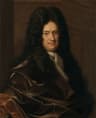
Anne Conway
RationalistEarly Modern
She argued that spirit and matter are not two things but one, and quietly shaped Leibniz's monads.
Largely self-taught and often bedridden by relentless headaches, Anne Conway thought her way to a bold monism in a single posthumously published book. There are not two substances, mind and matter, she argued, but one living substance shading by degrees from densest body to purest spirit, every creature capable of rising toward the good. She rejected the cold mechanism of Descartes and Hobbes for a universe alive throughout. Leibniz read her work and adopted her term, the monad, carrying her vision of living, perceiving units into the center of modern philosophy.
Places
Ideas
Words
“Spirit and body differ not essentially, but only in degree.”
Works
Life & Moments
Born in London
Born in London and largely self-taught, she pursued philosophy through a long correspondence and chronic illness.
The Principles of Philosophy
Composed her monist treatise in her final years; published after her death, it reached and influenced Leibniz.
Influence
Influenced
- Leibniz
Leibniz read Conway's treatise and borrowed her term, the monad, for the living units at the base of his system.