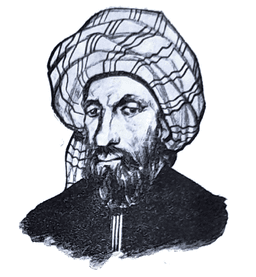
Ibn Bajja
IslamicPeripatetic
The solitary philosopher. In a corrupt city, the thinker must withdraw and perfect himself alone.
Ibn Bajja lived in Zaragoza and later Fez during the Almoravid period. He was a physician, musician, and the first major Aristotelian philosopher in Islamic Spain. His Governance of the Solitary argues that in an imperfect society the philosopher cannot reform others but must focus on perfecting his own intellect. This solitary path leads to union with the Active Intellect. He influenced both Ibn Tufayl and Ibn Rushd. He died young, reportedly poisoned.
Places
Ideas
Works
Life & Moments
Teaching in Zaragoza
Served as vizier and taught philosophy in Zaragoza, the cultural capital of the northern Iberian Muslim kingdoms. When the city fell to the Christians in 1118, he moved south to Seville and then to North Africa.
Governance of the Solitary
Wrote Governance of the Solitary, arguing that the philosopher must sometimes live apart from a corrupt society. When the city fails, the thinker withdraws. It was a philosophy born of exile, written by a man who had lost his home.
Death in Fez
Died in Fez in 1138, reportedly poisoned. He was both a philosopher and a musician, and his contemporaries praised the breadth of his mind. Ibn Rushd would later build on his ideas.
Influence
Influenced
- Ibn Tufayl
Ibn Tufayl explicitly discussed Ibn Bajja's ideas in the introduction to Hayy ibn Yaqzan.