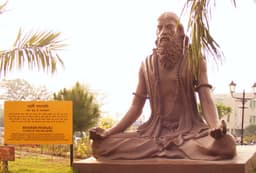
Patanjali
IndianYoga
Yoga is the stilling of the mind. He codified a practice that had existed for centuries into a system of eight limbs.
Patanjali compiled the Yoga Sutras, 196 short aphorisms that systematize the philosophy and practice of yoga. Drawing on older traditions, he defined yoga as the cessation of the fluctuations of the mind. His eight-limbed path moves from ethical restraints through physical postures and breath control to progressively deeper states of meditation, culminating in samadhi, a state of complete absorption. The text is terse, almost mathematical. Centuries of commentary have grown around it.
Places
Ideas
Words
“Yoga is the stilling of the changing states of the mind.”
Works
Life & Moments
Composes the Yoga Sutras
Patanjali compiled and organized centuries of yoga philosophy into 196 brief aphorisms. The text does not invent yoga but gives it a coherent structure for the first time, drawing on older practices and weaving them into a single thread.
Systematizes the Eight-limbed Path
Patanjali laid out yoga as an eightfold discipline: ethical restraints, observances, posture, breath control, withdrawal of the senses, concentration, meditation, and absorption. The path moves from outward conduct to inward stillness, each limb supporting the next.
Influence
Influenced by
- Kapila
Patanjali's Yoga took its metaphysics of witnessing spirit and active matter directly from Kapila's Samkhya.