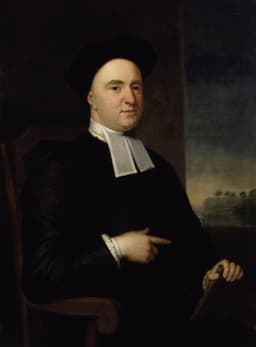
George Berkeley
EmpiricistEarly Modern
To be is to be perceived. He argued matter does not exist, and dared anyone to refute him.
Berkeley pushed empiricism to its startling edge. If all we ever know are our perceptions, he reasoned, then there is no warrant for a dead material substance lurking behind them; to exist is to be perceived. The world is real but mental, a steady stream of ideas held in being by the perceiving of God. Critics thought it absurd and could not say where the argument went wrong, which is its own kind of victory. An Irish bishop who later schemed to found a college in Bermuda, he wrote with a clarity that makes the strangeness of his conclusion all the sharper.
Places
Ideas
Words
“To be is to be perceived.”
Works
Life & Moments
Born near Kilkenny
Born in Ireland and educated at Trinity College, Dublin, where he formed his immaterialist philosophy young.
A Treatise Concerning Human Knowledge
Argued that to exist is to be perceived, and that matter conceived apart from any mind is a fiction.
Influence
Influenced by
- John Locke
Berkeley pushed Locke's empiricism to its edge, concluding that matter conceived apart from mind is a fiction.
Influenced
- David Hume
Hume took up Berkeley's empiricism and followed it past immaterialism into a thoroughgoing skepticism.