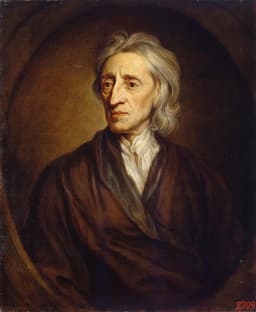
John Locke
Early ModernEmpiricist
The mind begins as a blank slate. All knowledge comes from experience. He wrote the philosophy that launched modern democracy.
Locke was a physician, political advisor, and the most influential philosopher of the English-speaking world. His Essay Concerning Human Understanding argues that there are no innate ideas: the mind at birth is a white paper, and all knowledge comes from sensation and reflection. His Two Treatises of Government provided the intellectual foundation for the Glorious Revolution, the American Revolution, and the French Revolution. He spent years in exile in Amsterdam, returned to England in 1689, and spent his last years writing on toleration, education, and the reasonableness of Christianity.
Places
Ideas
Words
“No man's knowledge here can go beyond his experience.”
Works
Life & Moments
Born in Wrington, Somerset
Born in a small village in Somerset. His father was a country lawyer and cavalry captain in the Parliamentary army. Locke grew up during the English Civil War and its aftermath, which shaped his lifelong concern with the limits of political authority.
Publishes Essay Concerning Human Understanding
Published while in exile in Amsterdam, the Essay argued that the mind at birth is a blank slate and that all knowledge comes from experience. He had worked on it for nearly twenty years. It became the founding text of British empiricism.
Returns to England After the Glorious Revolution
Sailed back to England on the same ship as the future Queen Mary, following the overthrow of James II. His Two Treatises of Government, published the next year, provided the philosophical justification for the new constitutional order.
Influence
Influenced by
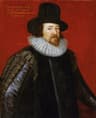
- Francis Bacon
Bacon's emphasis on observation and experiment laid the groundwork for Locke's empiricism.
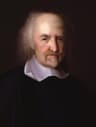
- Thomas Hobbes
Locke's political philosophy was partly a response to Hobbes: both grounded government in consent, but Locke insisted on natural rights.
Influenced
- Voltaire
Voltaire's years in England exposed him to Locke's empiricism and Newton's science, which he brought back to France in the Letters Concerning the English Nation.
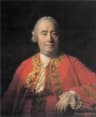
- David Hume
Hume took Locke's empiricism to its logical conclusion, showing that its principles undermined not only innate ideas but also causation and the self.
- Jean-Jacques Rousseau
Rousseau read Locke on natural rights and the social contract, then transformed the argument by grounding it in the general will rather than individual consent.
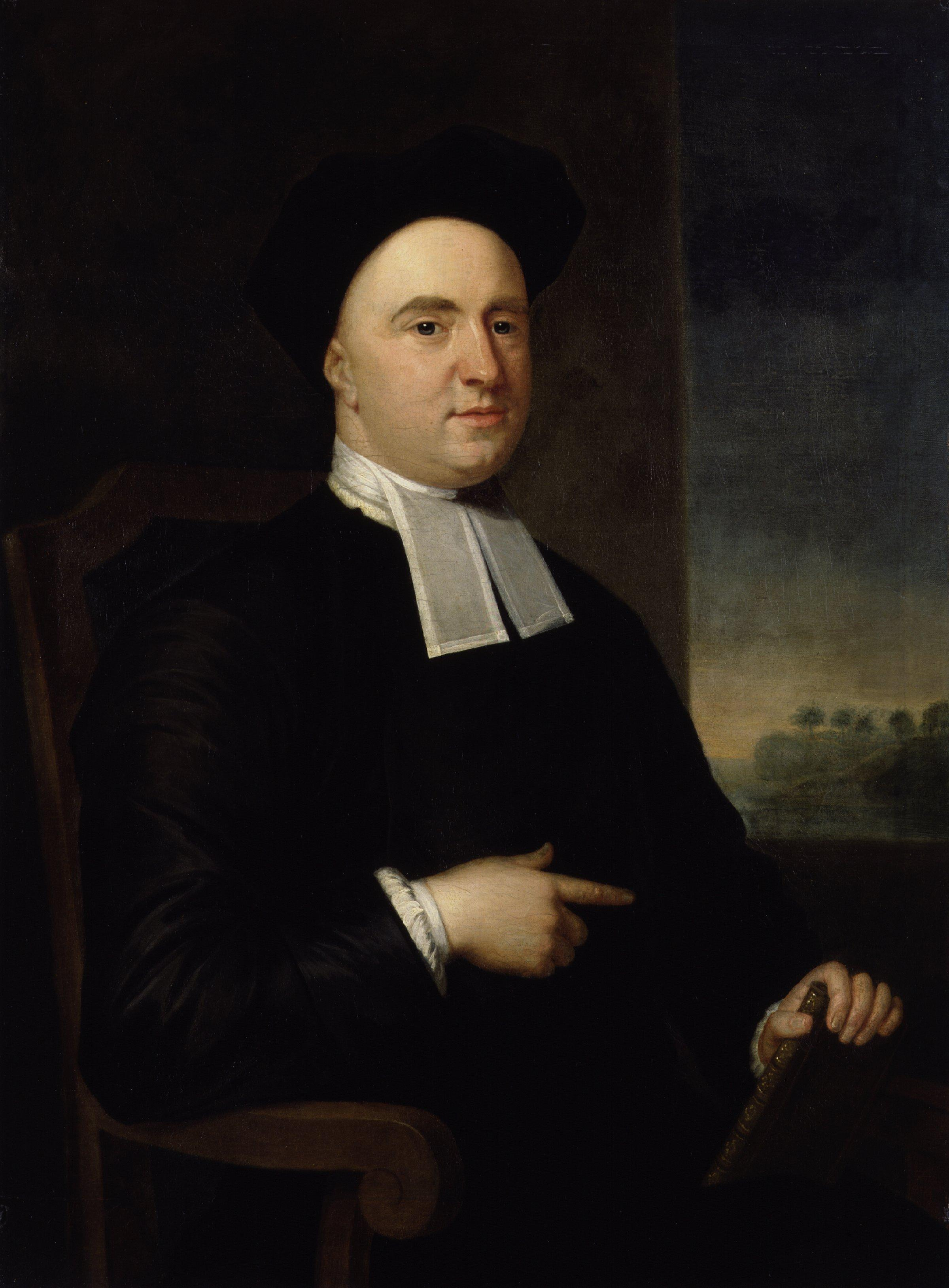
- George Berkeley
Berkeley pushed Locke's empiricism to its edge, concluding that matter conceived apart from mind is a fiction.
- Montesquieu
Montesquieu drew on Locke's account of liberty in building his theory of the separation of powers.
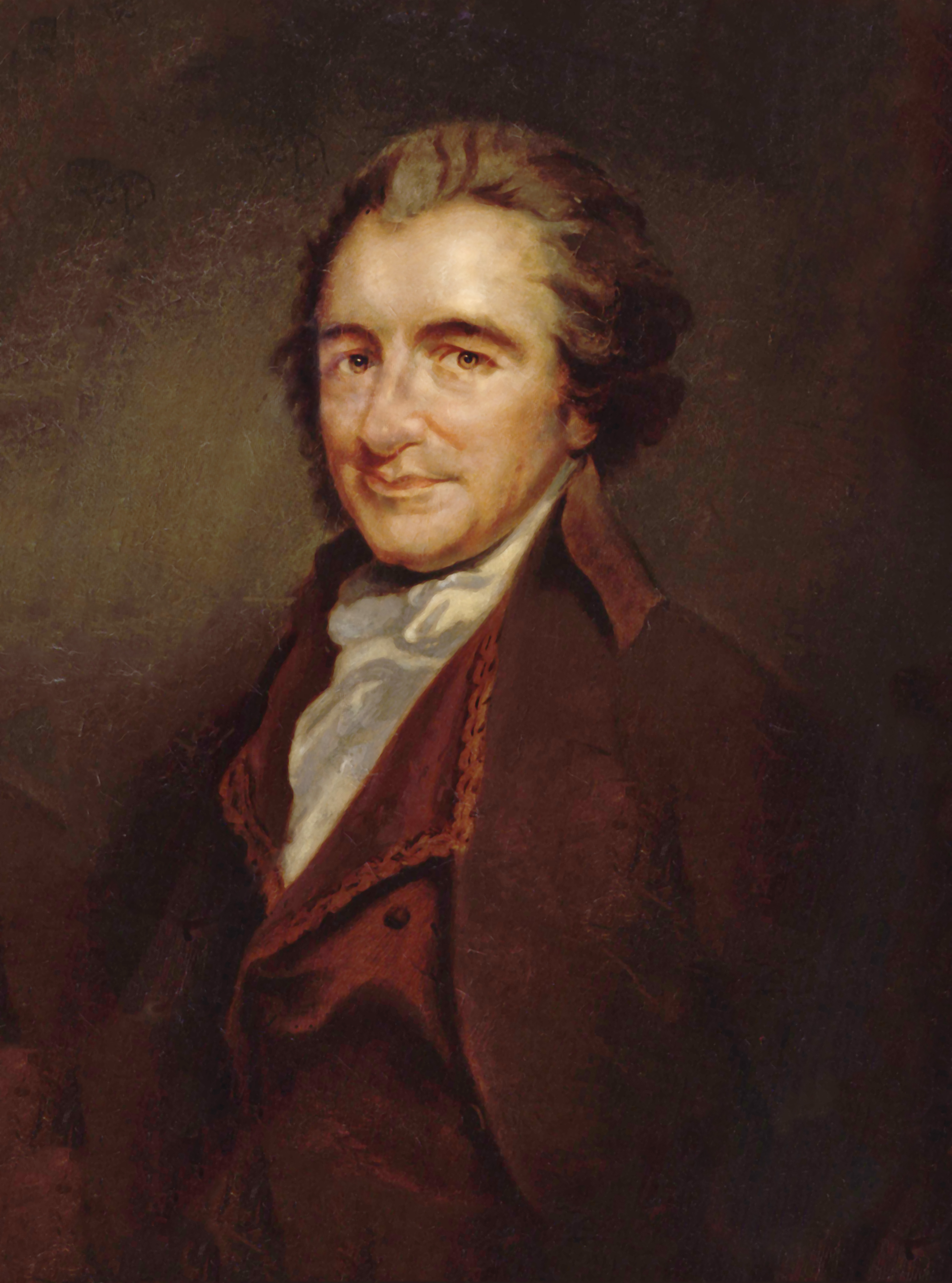
- Thomas Paine
Paine drew on Locke's natural rights and consent of the governed in making the popular case for revolution.