Jean-Jacques Rousseau
EnlightenmentRomantic
Man is born free, and everywhere he is in chains. He meant it as a diagnosis, not a slogan. The cure he proposed transformed political thought forever.
Rousseau was born in Geneva in 1712, the son of a watchmaker, and spent his life oscillating between revelation and persecution. In 1749, walking to visit Diderot in prison, he had a vision on the road to Vincennes: civilization is not progress but corruption. The arts and sciences have not made us better but worse. Natural man was free, healthy, and innocent. Society, property, and inequality have chained him. He published this argument and became famous overnight. The Social Contract and Emile, both published in 1762, were immediately condemned and burned in Paris and Geneva. He spent years as a fugitive. He died in 1778, two months after Voltaire, whom he despised and who despised him back.
Places
Ideas
Words
“Man is born free, and everywhere he is in chains.”
“The first man who, having enclosed a piece of ground, bethought himself of saying This is mine, and found people simple enough to believe him, was the real founder of civil society.”
“I may be no better, but at least I am different.”
Works
The Social Contract
·
Published in 1762 and immediately banned in Paris and Geneva. The opening line became the watchword of the French Revolution. The book argues for a form of democratic self-governance based on the general will.
Discourse on the Origin of Inequality
·
Published in 1755. Rousseau traces the history of human misery to the introduction of private property and the corrupting effect of civilization on natural human goodness.
Influence
Influenced by
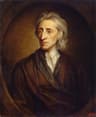
- John Locke
Rousseau read Locke on natural rights and the social contract, then transformed the argument by grounding it in the general will rather than individual consent.
Influenced
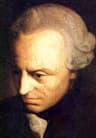
- Immanuel Kant
Kant kept only one picture on his wall: a portrait of Rousseau. Rousseau's insistence on human dignity and freedom shaped the categorical imperative.
- Mary Wollstonecraft
Wollstonecraft admired Rousseau's political philosophy but was outraged by his account of women's education in Emile, which became a direct target of the Vindication.
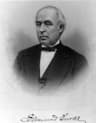
- Edmund Burke
Burke read the French Revolution as Rousseau's abstractions made real, and recoiled from both.
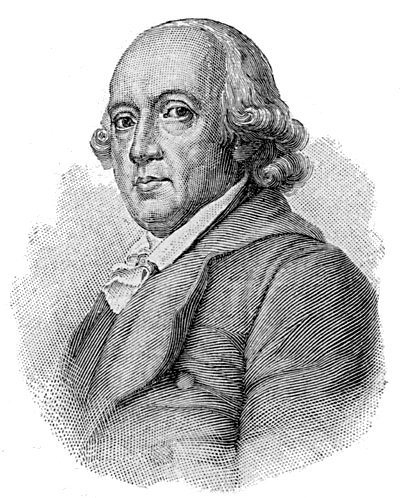
- Johann Gottfried Herder
Herder took from Rousseau the value of the natural and the particular against the abstractions of civilization.