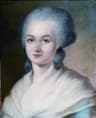
Mary Wollstonecraft
EnlightenmentFeministBritish
She took the Enlightenment's own arguments and turned them on the people who made them. If reason is the basis of rights, she asked, why does it stop at women?
Wollstonecraft was born in London in 1759, grew up in poverty and domestic violence, and educated herself. She worked as a teacher, a governess, and a writer, and in 1792 published A Vindication of the Rights of Woman, a systematic argument that the exclusion of women from education and civil life was not natural but manufactured. She had watched the French Revolution promise universal rights and then quietly omit half the human race, and she was not content to be quiet about it. She traveled to Paris, witnessed the Terror, and fell into a profound depression. She survived two suicide attempts, fell in love with the political philosopher William Godwin, became pregnant, and died of puerperal fever eleven days after giving birth to the daughter who would write Frankenstein. She was thirty-eight.
Places
Ideas
Words
“I do not wish women to have power over men; but over themselves.”
“My own sex, I hope, will excuse me, if I treat them like rational creatures, instead of flattering their fascinating graces.”
“Taught from their infancy that beauty is woman's sceptre, the mind shapes itself to the body, and roaming round its gilt cage, only seeks to adorn its prison.”
Works
Influence
Influenced by
- Jean-Jacques Rousseau
Wollstonecraft admired Rousseau's political philosophy but was outraged by his account of women's education in Emile, which became a direct target of the Vindication.
- Olympe de Gouges
In France and England within a year of each other, Gouges and Wollstonecraft made parallel demands for the rights of women.