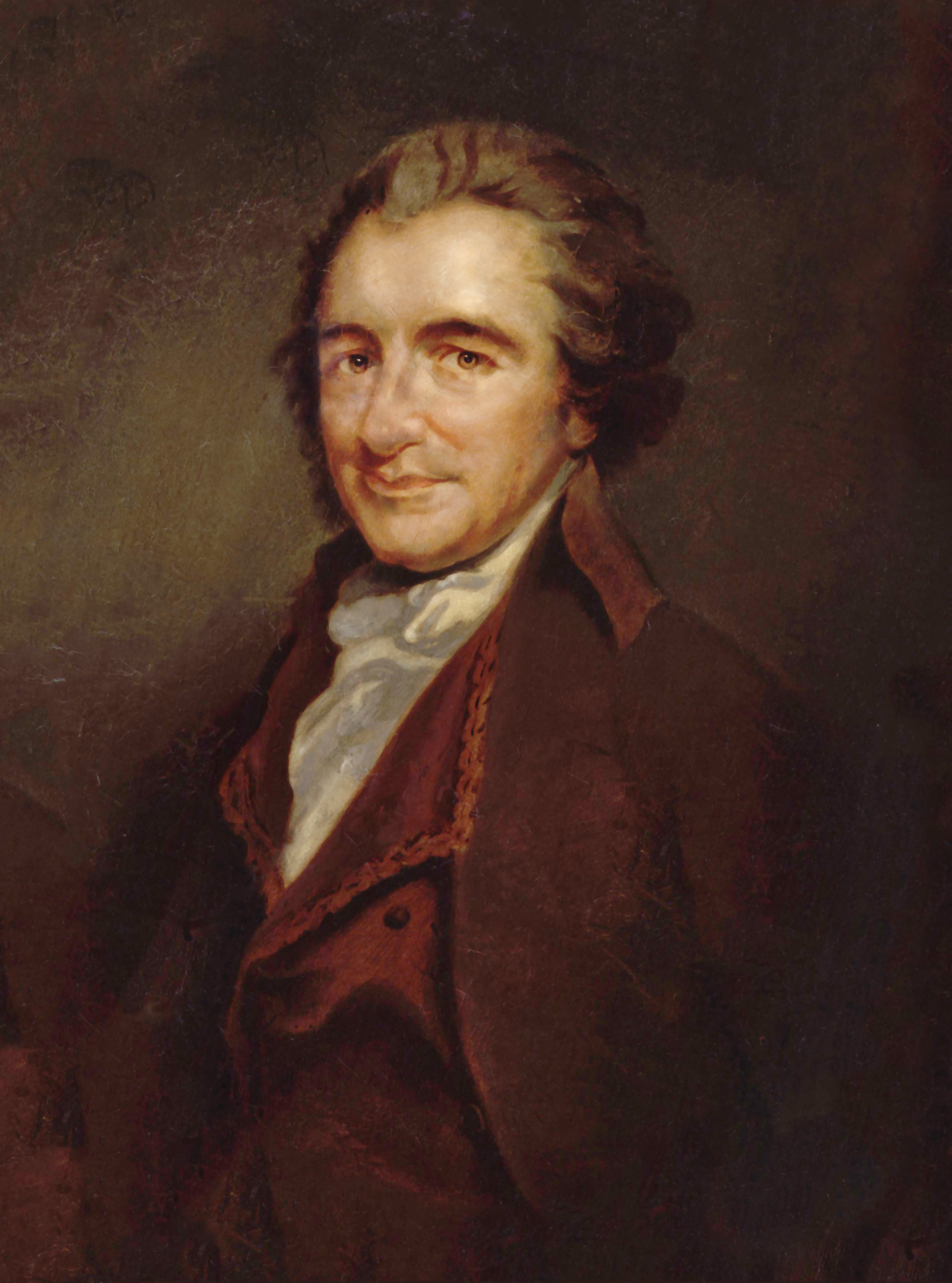
Thomas Paine
EnlightenmentBritish
The corset-maker turned revolutionary whose pamphlets set two continents on fire, arguing in plain words that government rests on the consent of the living.
Paine failed at everything until, at thirty-seven, he sailed to America and found his voice. Common Sense, written in language a farmer could read, made the case for independence so forcefully that it turned colonial grievance into revolution. He crossed back to Europe and answered Burke with the Rights of Man, defending the French Revolution and the principle that no generation may bind those unborn. The Age of Reason then turned his fire on organized religion. Celebrated, imprisoned, and finally scorned, he died nearly friendless, having done as much as any single writer to spread the idea that ordinary people may govern themselves.
Places
Ideas
Words
“These are the times that try men's souls.”
Works
Life & Moments
Common Sense
Published a pamphlet in plain language that turned colonial grievance into a popular case for American independence.
Rights of Man
Answered Burke with a defense of the French Revolution and the principle that no generation may bind the unborn.
Influence
Influenced by
- John Locke
Paine drew on Locke's natural rights and consent of the governed in making the popular case for revolution.
- Edmund Burke
Paine wrote the Rights of Man in direct answer to Burke's Reflections, defending the revolution Burke condemned.