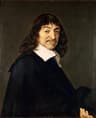
Margaret Cavendish
MaterialistEarly Modern
Duchess, playwright, and natural philosopher who argued that all matter thinks, and crashed the all-male Royal Society to say so.
Margaret Cavendish published philosophy, poetry, plays, and one of the first works of science fiction under her own name when women were expected to publish nothing at all. Against the mechanical philosophy of Descartes and Hobbes, she argued that matter is not dead stuff pushed about from outside but is itself alive, self-moving, and knowing — that nature is a single thinking body, rational and sensitive through and through. In 1667 she became the first woman invited to attend a meeting of the Royal Society, an event that scandalized London. Eccentric and unstoppable, she made her own mind the subject of relentless inquiry.
Places
Ideas
Words
“There is no part of nature that is not alive, and that does not have sense and reason.”
Works
Life & Moments
Born in England
Born to a wealthy family, she fled the English Civil War into exile, where her philosophy took shape.
Visiting the Royal Society
Became the first woman invited to a meeting of the Royal Society, an event that scandalized London.
Influence
Influenced by
- Descartes
Cavendish rejected the dead mechanical matter of Descartes and Hobbes for a nature alive and knowing throughout.