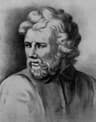
Musonius Rufus
RomanStoic
The Roman Socrates. He taught that philosophy is practice, not theory, and that women should study it too.
Musonius Rufus was a Roman knight who taught philosophy through conversation rather than written treatises. Exiled twice by emperors, he kept teaching wherever he landed. His lectures, preserved by a student, are startlingly practical: how to eat, how to furnish a house, whether daughters should be educated (yes). He argued that philosophy is useless unless it changes how you live. He was the teacher of Epictetus.
Places
Ideas
Words
“If you accomplish something good with hard work, the labor passes quickly, but the good endures.”
Works
Life & Moments
Born in Volsinii
Born into an Etruscan equestrian family in Volsinii. He came to Rome and became one of the most respected Stoic teachers of the first century, admired for practicing what he preached.
Teaching in Rome
Between exiles, Musonius taught in Rome and attracted a devoted following. He argued that women should study philosophy, that marriage should be a partnership, and that manual labor was good for the soul. His most famous student was Epictetus.
Exiled by Nero
Nero banished Musonius to the barren island of Gyaros in the Aegean. He survived by finding a freshwater spring. The exile only increased his reputation.
Influence
Influenced
- Epictetus
Musonius was Epictetus' teacher in Rome. The lessons about freedom that Epictetus learned there shaped everything he later taught.