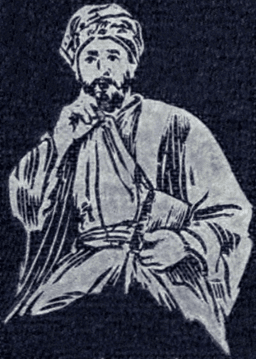
Al-Ghazali
IslamicSufi
He held the most prestigious teaching post in the Islamic world, then abandoned it. Philosophy had failed him. Only direct experience of God would do.
Al-Ghazali was the most celebrated scholar in Baghdad when, at the height of his career, he suffered a crisis so severe he could not speak or eat. He resigned his position, gave away his wealth, and spent years wandering as a Sufi mystic. His Incoherence of the Philosophers attacked Ibn Sina and Al-Farabi, arguing that their methods could not prove what they claimed about God, the soul, or the eternity of the world. His Revival of the Religious Sciences rebuilt Islamic thought on the foundation of inner experience rather than pure logic.
Places
Ideas
Words
“Knowledge without action is vanity, and action without knowledge is insanity.”
Works
Life & Moments
Teaching at the Nizamiyya
Appointed head professor at the Nizamiyya madrasa in Baghdad at age thirty-three, the most prestigious academic post in the Islamic world. He was brilliant, famous, and deeply unhappy.
Crisis and Departure
Suffered a spiritual crisis so severe he could not eat or speak. He abandoned his position, his wealth, and his family, and left Baghdad dressed as a Sufi wanderer. He spent years in solitude in Damascus, Jerusalem, and Mecca.
The Incoherence of the Philosophers
Wrote The Incoherence of the Philosophers, a devastating critique of al-Farabi and Ibn Sina. He did not reject reason entirely but argued that philosophy had overstepped its bounds by claiming certainty about things only God could know.
Death in Tus
Returned to his hometown of Tus in northeastern Iran. He taught a small circle of students and wrote the Revival of the Religious Sciences, his masterwork. He died quietly in 1111, having reshaped the relationship between faith and reason in Islam.
Influence
Influenced by
- Ibn Sina
Al-Ghazali's Incoherence of the Philosophers was aimed primarily at Ibn Sina's metaphysics.
- Al-Ash'ari
Al-Ghazali worked within, and brought to its height, the Ash'ari theology that al-Ash'ari had founded.
Influenced
- Ibn Rushd
Ibn Rushd wrote the Incoherence of the Incoherence as a direct response to Al-Ghazali.