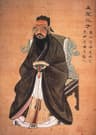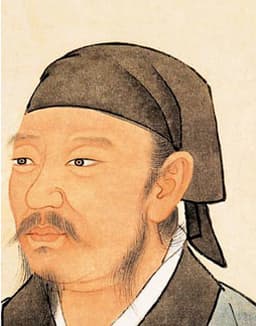
Xunzi
ChineseConfucian
Human nature is crooked. Ritual and education straighten it. He argued against Mencius and trained the founders of Legalism.
Xunzi was the great realist of Confucian philosophy. He agreed with Confucius that virtue must be cultivated, but denied that human nature is naturally good. Desire, selfishness, and envy are our starting point. What saves us is deliberate effort: ritual, music, education, and the accumulated wisdom of sages who came before. He taught at the Jixia Academy in Qi, the greatest intellectual center of the Warring States. Two of his students, Han Feizi and Li Si, would go on to build the Legalist philosophy that unified China under Qin.
Places
Ideas
Words
“Human nature is evil; its goodness is the result of conscious activity.”
Works
Life & Moments
Head of the Jixia Academy
Served three times as the leading scholar at the Jixia Academy in Qi, the great intellectual center of the Warring States period. Hundreds of thinkers gathered there. Xunzi was the most respected of them all.
Arguing Against Mencius
Directly attacked Mencius's claim that human nature is good. People are born selfish and chaotic, Xunzi insisted. Goodness comes only through education, ritual, and hard effort. The debate between them defined Confucian philosophy for two thousand years.
Students Found Legalism
Two of Xunzi's students, Han Feizi and Li Si, took his ideas about human selfishness and built something he never intended: Legalism, the philosophy of total state control. Li Si became the chief minister of Qin. Han Feizi became its theorist.
Influence
Influenced by
- Confucius
Xunzi was a Confucian who disagreed with Mencius on human nature. He valued Confucius but insisted virtue must be imposed, not nurtured.
Influenced
- Han Feizi
Han Feizi studied under Xunzi and radicalized his pessimism about human nature into a theory of governance through law.