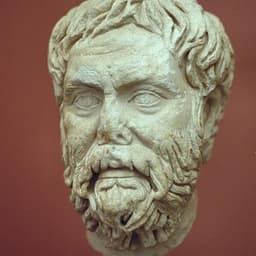
Pyrrho
HellenisticSkeptic
Suspend judgment. The world as we think we know it may not be the world at all.
Pyrrho traveled with Alexander’s army to India, where he encountered thinkers who profoundly unsettled his certainties. He returned to Greece and taught that we cannot know the true nature of things. The proper response to this is not despair but tranquility: if you stop clinging to opinions, you stop suffering. His radical skepticism influenced every later tradition that asked how much we can really know.
Places
Ideas
Words
“Nothing is in itself more this than that.”
Works
Testimonies
attributed·
Pyrrho wrote nothing. His student Timon of Phlius and later Sextus Empiricus preserved his radical teaching: that we should suspend judgment about all things, and in that suspension find peace.
Anecdotes from Diogenes Laertius
attributed·
Stories about Pyrrho told by Diogenes Laertius. They paint a man who lived his philosophy: indifferent to danger, unmoved by circumstance, serene in the face of everything.
Influence
Influenced by
- Socrates
Socrates’ profession of ignorance resonated with the skeptical tradition. Pyrrho pushed the Socratic admission further: if we know nothing, perhaps we should stop claiming to.
- The Buddha
Pyrrho traveled to India with Alexander and may have encountered Buddhist or Jain ascetics. His radical suspension of judgment echoes their teachings.
Influenced
- Sextus Empiricus
Sextus systematized and preserved the Pyrrhonist skepticism that traced back to Pyrrho.


