Place
Rome
Capital of the Republic and the Empire. Philosophy arrived here as a Greek import and became something new: a practical discipline for senators, soldiers, and the enslaved alike.
Thinkers Connected to Rome
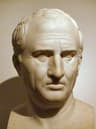
Cicero
He translated Greek philosophy into Latin and into politics. Rome's greatest orator was also its most restless thinker.
Lucretius
He wrote the universe in verse. Atoms falling through the void, swerving into freedom. Epicurus made poetry.
Seneca
Stoic philosopher, tutor to an emperor, and the richest man in Rome. He wrote about poverty and died by his own hand on Nero's orders.
Musonius Rufus
The Roman Socrates. He taught that philosophy is practice, not theory, and that women should study it too.
Epictetus
Born a slave. Became free. Taught that freedom is not a circumstance but a discipline of the mind.
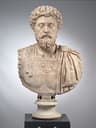
Marcus Aurelius
Emperor of Rome. Philosopher on the battlefield. His private journal became the most famous Stoic text in history.
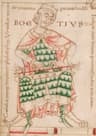
Boethius
The last Roman philosopher. He translated Aristotle, served as consul, and wrote his masterwork in a prison cell while waiting to be executed.
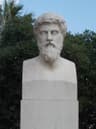
Plutarch
He believed character is destiny, and proved it by writing the lives of famous men side by side.

Sextus Empiricus
The doctor who prescribed doubt. Suspend judgment on everything, he said, and tranquility follows on its own.
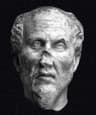
Plotinus
Reality overflows from a single source, the One, and the soul's task is the long climb back.
Porphyry
Plotinus's brilliant editor, who organized Neoplatonism into a system and wrote the logic primer that medieval Europe argued over for a thousand years.