Place
Paris
The intellectual capital of medieval Europe. The University of Paris, founded around 1150, drew Abelard, Aquinas, and Ockham. The scholastic method was born in its lecture halls.
Thinkers Connected to Paris
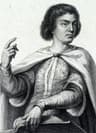
Peter Abelard
The sharpest logician in Paris and the most famous lover. His mind cut through every argument. His heart cost him everything.
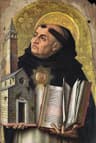
Thomas Aquinas
He reconciled Aristotle with Christianity and wrote the most systematic theology ever attempted. Then he stopped, saying all he had written was straw.

Voltaire
The most dangerous writer of the eighteenth century. He used wit as a weapon and spent his life fighting ignorance, superstition, and cruelty in their most powerful forms.
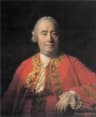
David Hume
The most thoroughgoing skeptic in the history of philosophy. He argued that reason cannot justify itself, causation cannot be proven, and the self is a fiction.

Jean-Jacques Rousseau
Man is born free, and everywhere he is in chains. He meant it as a diagnosis, not a slogan. The cure he proposed transformed political thought forever.
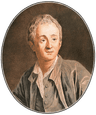
Denis Diderot
He spent twenty years editing the Encyclopedie, the great project of the Enlightenment. He also wrote some of the strangest and most honest prose of the century.

Mary Wollstonecraft
She took the Enlightenment's own arguments and turned them on the people who made them. If reason is the basis of rights, she asked, why does it stop at women?
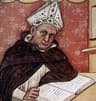
Albertus Magnus
The teacher of Aquinas, who insisted that studying nature carefully was a way of honoring its creator.
Bonaventure
For him, all knowledge was a ladder, and every rung led the mind a step closer to God.
Duns Scotus
The Subtle Doctor, who argued that being means the same of God and creatures, and that each thing has its own thisness.
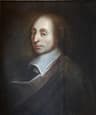
Pascal
Mathematical genius turned anguished believer. The heart has reasons, he wrote, that reason does not know.
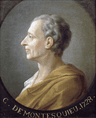
Montesquieu
He studied laws the way others studied nature, and gave the modern world the separation of powers.
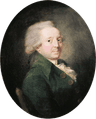
Condorcet
Mathematician of the vote and prophet of progress, he believed reason would carry humanity upward, and died of the revolution he served.

Baron d'Holbach
The most uncompromising materialist of the age, who hosted Europe's boldest minds and denied that anything exists but matter in motion.
John Scotus Eriugena
The lone genius of the dark centuries, who read Greek when almost no one in the West could, and dared to fold God and creation into a single nature.
Roger Bacon
The Franciscan who insisted that experiment, not authority, settles a question, and sketched flying machines four centuries early.
Meister Eckhart
The Dominican mystic who preached that the ground of the soul and the ground of God are one, and that the deepest prayer is to want nothing.
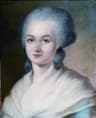
Olympe de Gouges
She answered the Revolution's Rights of Man with the Rights of Woman, and went to the guillotine for taking liberty at its word.
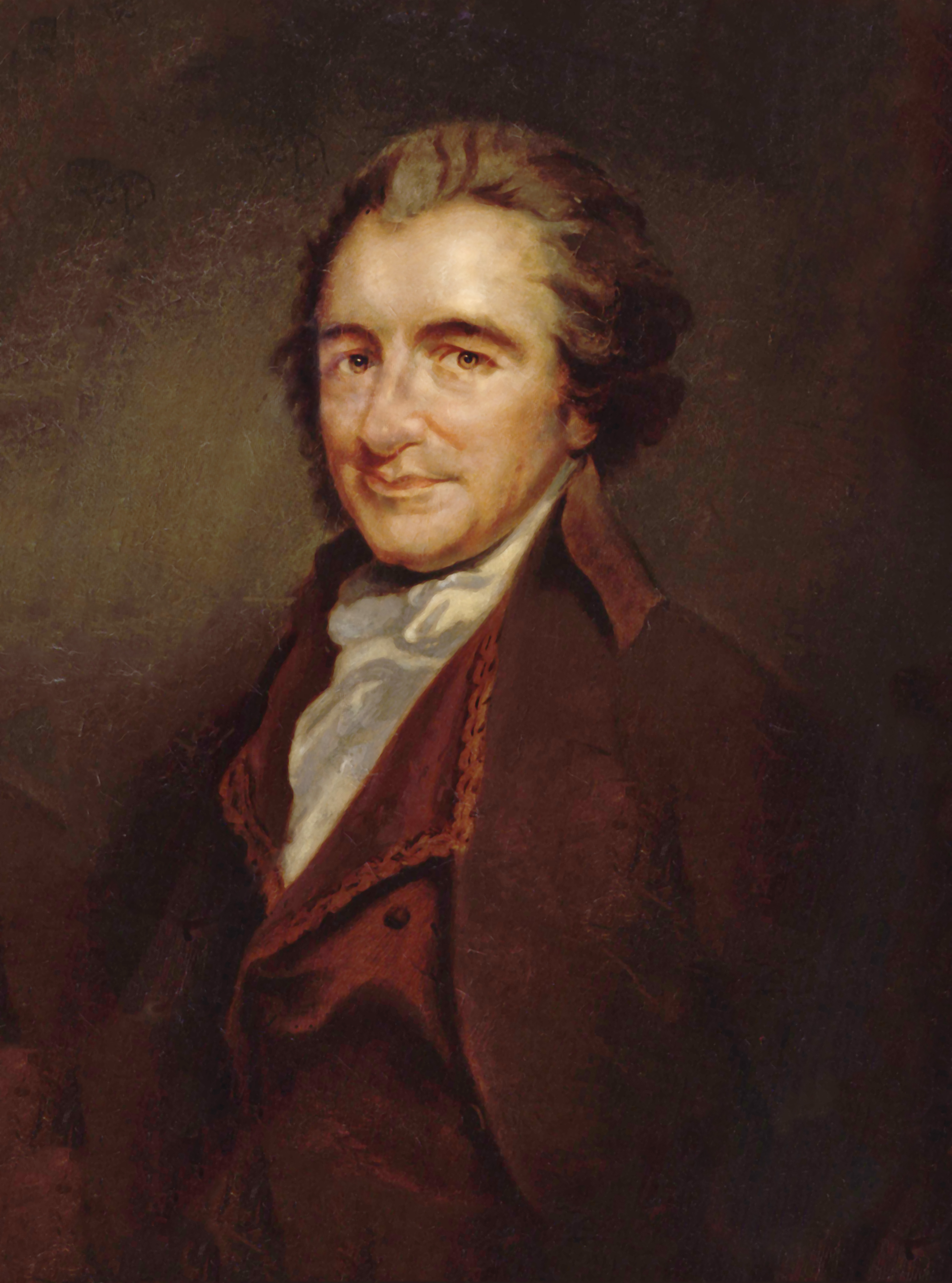
Thomas Paine
The corset-maker turned revolutionary whose pamphlets set two continents on fire, arguing in plain words that government rests on the consent of the living.